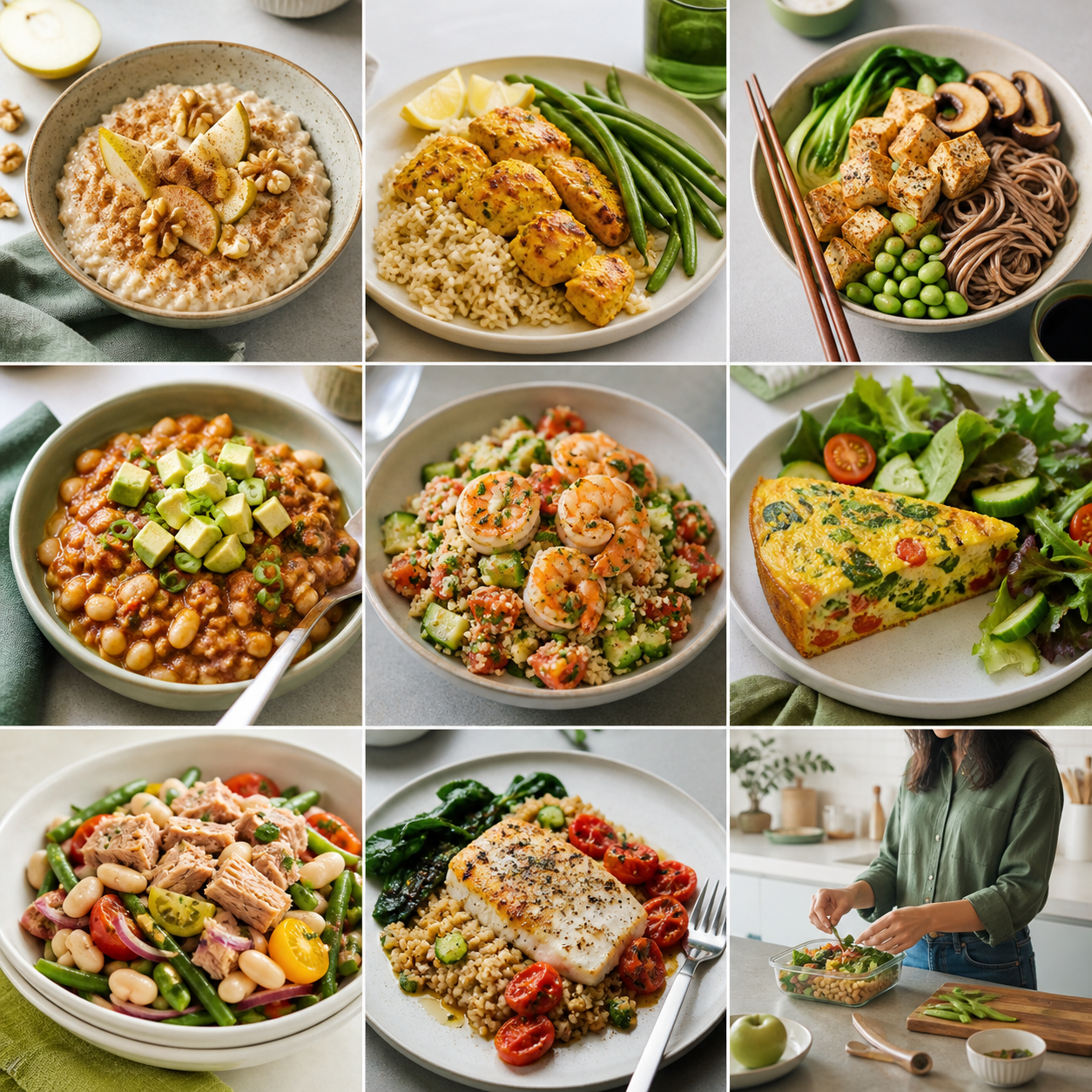
Build a healthy lifestyle diet around food quality, movement, sleep, flexibility and routines that support rather than dominate your week. This guide offers general education, not individualized medical care. The right pattern depends on health history, medication, access, culture and what you can sustain.
Use food to support energy, movement, sleep and connection, then keep the plan flexible enough for actual life.
Define health more broadly than body size
A healthy lifestyle supports cardiovascular health, strength, metabolic health, bone health, digestion, sleep and a workable relationship with food. Body weight may be one measure, but it is not the entire purpose of eating.
Choose outcomes you can feel and observe: stable energy, reliable meals, better training recovery, more vegetables, less takeout waste and the ability to enjoy social food without panic.
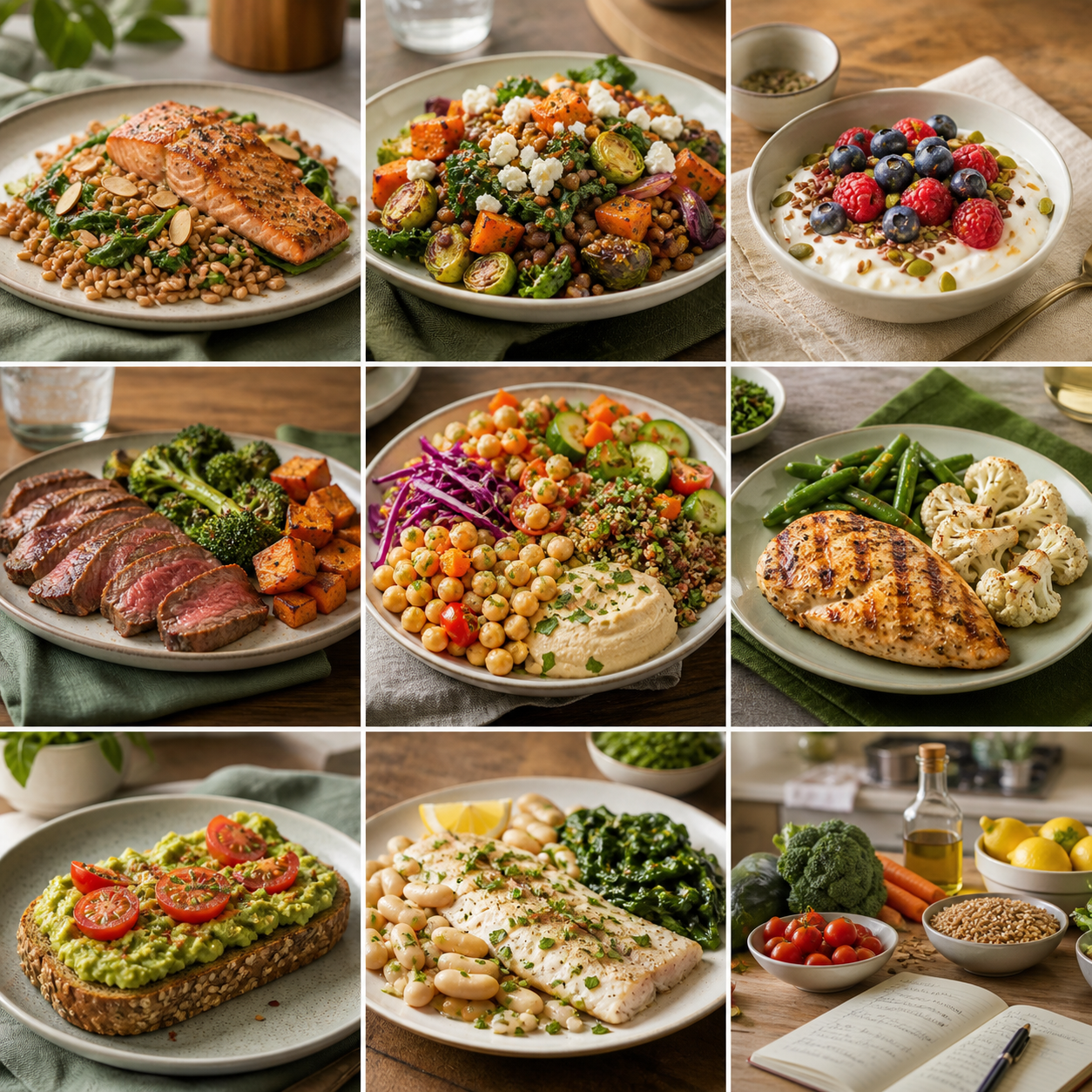
Let meals support the rest of the day
Regular satisfying meals can support concentration, activity and sleep. Under-fueling may look disciplined but can reduce training quality, increase evening hunger and make the day more food-focused.
Build most meals around minimally processed foods while keeping convenience available. Frozen vegetables, canned beans, prepared grains and thoughtfully selected ready meals can make the healthy option possible when time is short.
Coordinate food, movement and sleep
Nutrition does not compensate for chronic sleep deprivation, and exercise does not require earning food. Treat movement and rest as related parts of the same system. A meal after training should support recovery; an evening routine should not depend on caffeine lasting until bedtime.
Small changes can reinforce one another. A planned dinner reduces late takeout, which may improve bedtime. Better sleep can improve energy for movement and make meal decisions feel less urgent.
Protect flexibility
Keep room for restaurants, celebrations, cultural foods and unplanned days. A healthy pattern can absorb variation because its strength comes from repetition over time.
If the diet produces fear, isolation or compulsive rules, it is not serving a healthy lifestyle. Seek qualified support. Food should help you participate in life, not require life to become smaller.
Our evidence approach
We prioritize whole dietary patterns, practical sustainability and meal-level information. For the public-health foundation of this guide, see Dietary Guidelines for Americans ↗. Medical conditions and restrictive diets warrant individualized guidance.
Five useful questions
Frequently asked questions
What makes a diet healthy?+
A healthy pattern is nutritionally adequate, varied, practical and sustainable. It generally emphasizes vegetables, fruits, whole grains or other fiber-rich carbohydrates, useful protein sources and unsaturated fats while limiting excess sodium, added sugars and saturated fat.
Which healthy diet is best?+
There is no single best plan for everyone. Mediterranean-style, DASH, vegetarian and other balanced patterns can all work when they meet nutrient needs and fit preferences, culture, budget and medical context.
Can I order healthy meals instead of cooking?+
Yes. A prepared meal can fit a healthy pattern. Read the individual nutrition information, look for vegetables and fiber, and compare sodium and saturated fat when those factors matter to you.
Where can I buy healthy prepared meals?+
You can order from prepared meal services or buy them from supermarkets. Enter your ZIP code, review the current menu and nutrition labels, and order only what you expect to eat.
When should I speak with a dietitian?+
Consult a registered dietitian or clinician when food choices affect a medical condition, medication, pregnancy, an eating disorder, significant weight change or a highly restrictive diet.