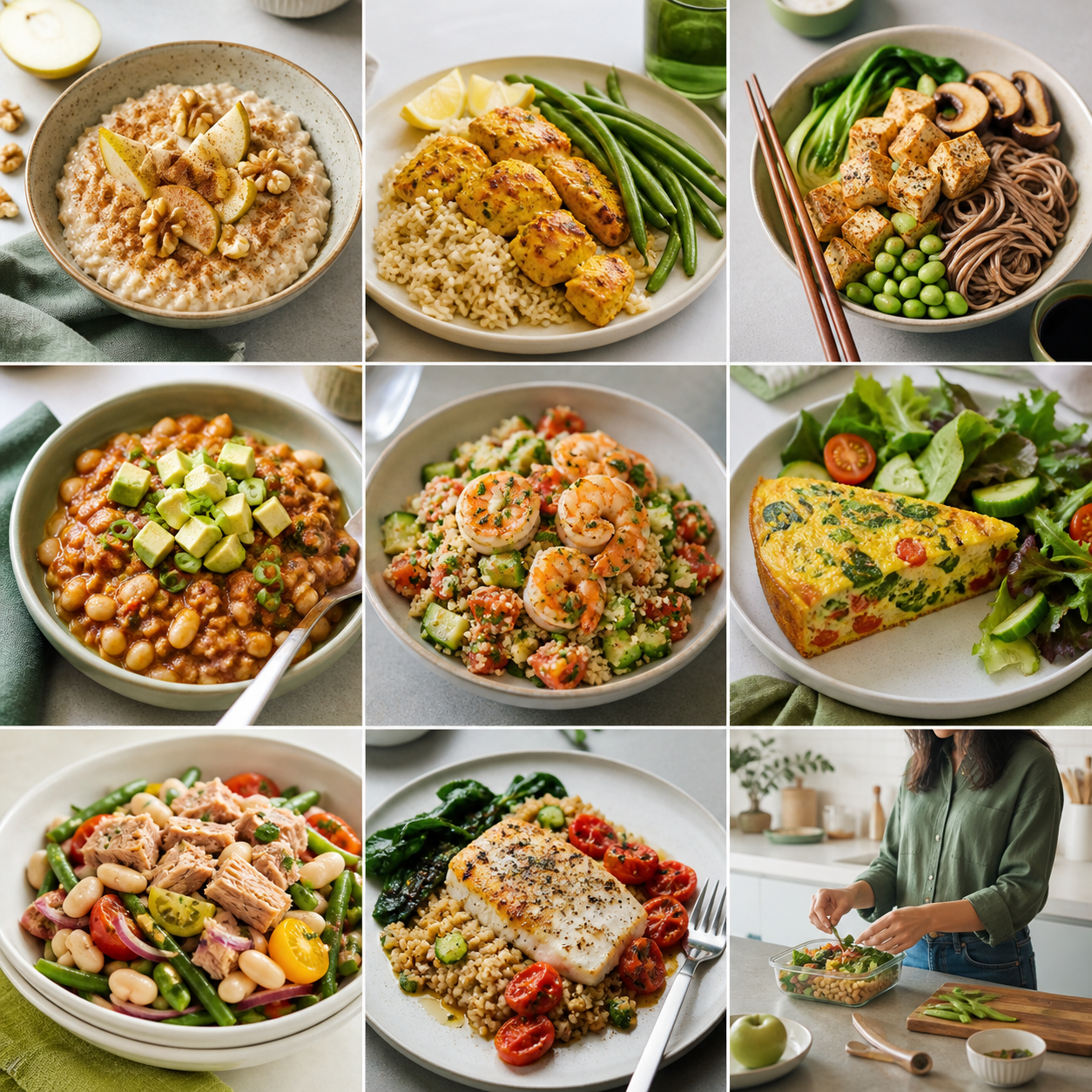
Compare the building blocks shared by healthy diets and learn how to choose a practical pattern without falling for rigid food rules. This guide offers general education, not individualized medical care. The right pattern depends on health history, medication, access, culture and what you can sustain.
Choose the least restrictive pattern that meets your needs and makes nutrient-dense food easier to eat consistently.
What healthy patterns have in common
Healthy diets can look different across cultures and kitchens. They usually emphasize a variety of vegetables and fruits, fiber-rich carbohydrates, useful protein sources and unsaturated fats. They also leave less room for excess sodium, added sugars and saturated fat without requiring every meal to be perfect.
Mediterranean-style, DASH and well-planned vegetarian patterns use different menus but share much of this structure. That overlap is useful. It means you can adapt a pattern to familiar foods rather than buying an entirely new identity at the grocery store.
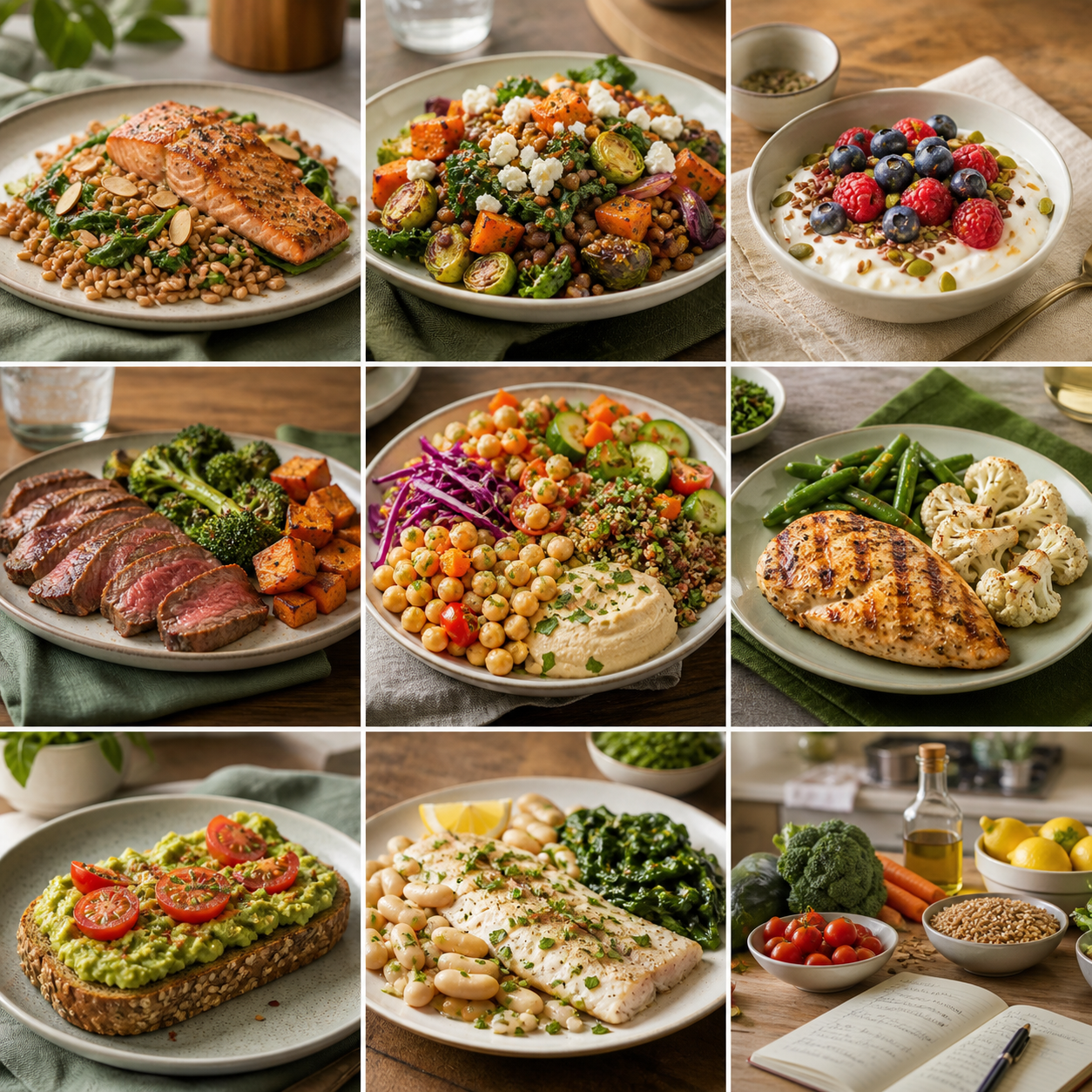
Choose by constraints before trends
Write down the constraints the plan must respect: budget, allergies, cooking time, cultural preferences, medical needs and who else eats with you. Then ask whether a proposed diet can meet those conditions with ordinary food. A plan that works only during a quiet week is not yet a plan.
Avoid unnecessary restriction. Removing a food group creates more nutritional and practical work. Sometimes that work is justified by allergy, ethics or clinical care. When it is not, a flexible approach usually offers more variety and makes social eating easier.
Read the whole day, not one meal
A salad can be low in protein and energy. A pasta dinner can be part of a high-quality day. Judge the pattern by what repeats: food variety, adequacy, portions, fiber, fat quality and the relationship you maintain with eating.
Prepared meals can participate in this pattern. Look for vegetables, a credible protein source and a carbohydrate portion that fits the day. Compare sodium and saturated fat across meals, particularly when cardiovascular health is a priority.
Run a two-week practical test
Before committing to a major diet, test two or three behaviors for two weeks. Plan breakfast, add vegetables to lunch, and choose several dinners with visible nutrition information. Observe hunger, satisfaction, cost, waste and the time required.
Keep changes that improved the week. If the trial created constant hunger, fatigue or obsessive tracking, the solution is not necessarily more discipline. The structure may be too restrictive, poorly fueled or mismatched to your life.
Our evidence approach
We prioritize whole dietary patterns, practical sustainability and meal-level information. For the public-health foundation of this guide, see Dietary Guidelines for Americans ↗. Medical conditions and restrictive diets warrant individualized guidance.
Five useful questions
Frequently asked questions
What makes a diet healthy?+
A healthy pattern is nutritionally adequate, varied, practical and sustainable. It generally emphasizes vegetables, fruits, whole grains or other fiber-rich carbohydrates, useful protein sources and unsaturated fats while limiting excess sodium, added sugars and saturated fat.
Which healthy diet is best?+
There is no single best plan for everyone. Mediterranean-style, DASH, vegetarian and other balanced patterns can all work when they meet nutrient needs and fit preferences, culture, budget and medical context.
Can I order healthy meals instead of cooking?+
Yes. A prepared meal can fit a healthy pattern. Read the individual nutrition information, look for vegetables and fiber, and compare sodium and saturated fat when those factors matter to you.
Where can I buy healthy prepared meals?+
You can order from prepared meal services or buy them from supermarkets. Enter your ZIP code, review the current menu and nutrition labels, and order only what you expect to eat.
When should I speak with a dietitian?+
Consult a registered dietitian or clinician when food choices affect a medical condition, medication, pregnancy, an eating disorder, significant weight change or a highly restrictive diet.