Build a healthy diet for men around plants, fiber, useful protein, heart health and portions matched to activity rather than stereotypes. This guide offers general education, not individualized medical care. The right pattern depends on health history, medication, access, culture and what you can sustain.
Match portions and protein to the person, then keep plants, fiber and cardiovascular health visible on every week’s menu.
Stop using gender as a portion guide
Energy needs vary widely among men because body size, age, activity, muscle mass and goals vary. A large plate is not required by identity, and a small plate is not automatically healthier. Use hunger, activity and measurable goals to guide portions.
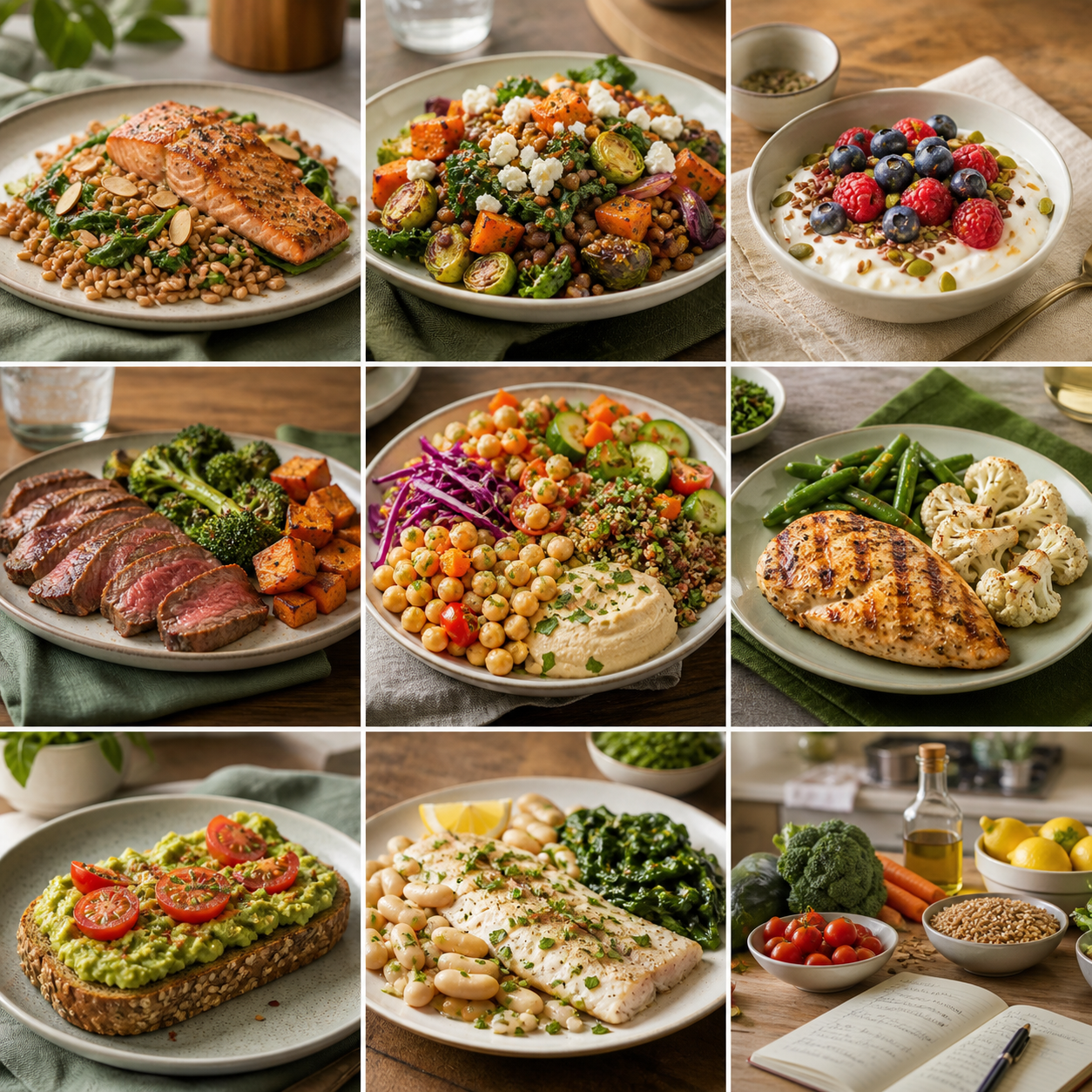
Build the plate with protein, plants and a useful carbohydrate source. A steak can share the plate with broccoli and beans. Chicken can sit beside brown rice and vegetables. The point is not to remove protein but to stop asking it to do every nutritional job.
Fiber belongs in a protein-forward plan
High-protein eating can crowd out legumes, whole grains, fruit and vegetables when every snack becomes meat or a shake. Fiber supports digestive health and is a defining feature of many heart-healthy patterns. Pair protein with plants rather than placing them in competition.
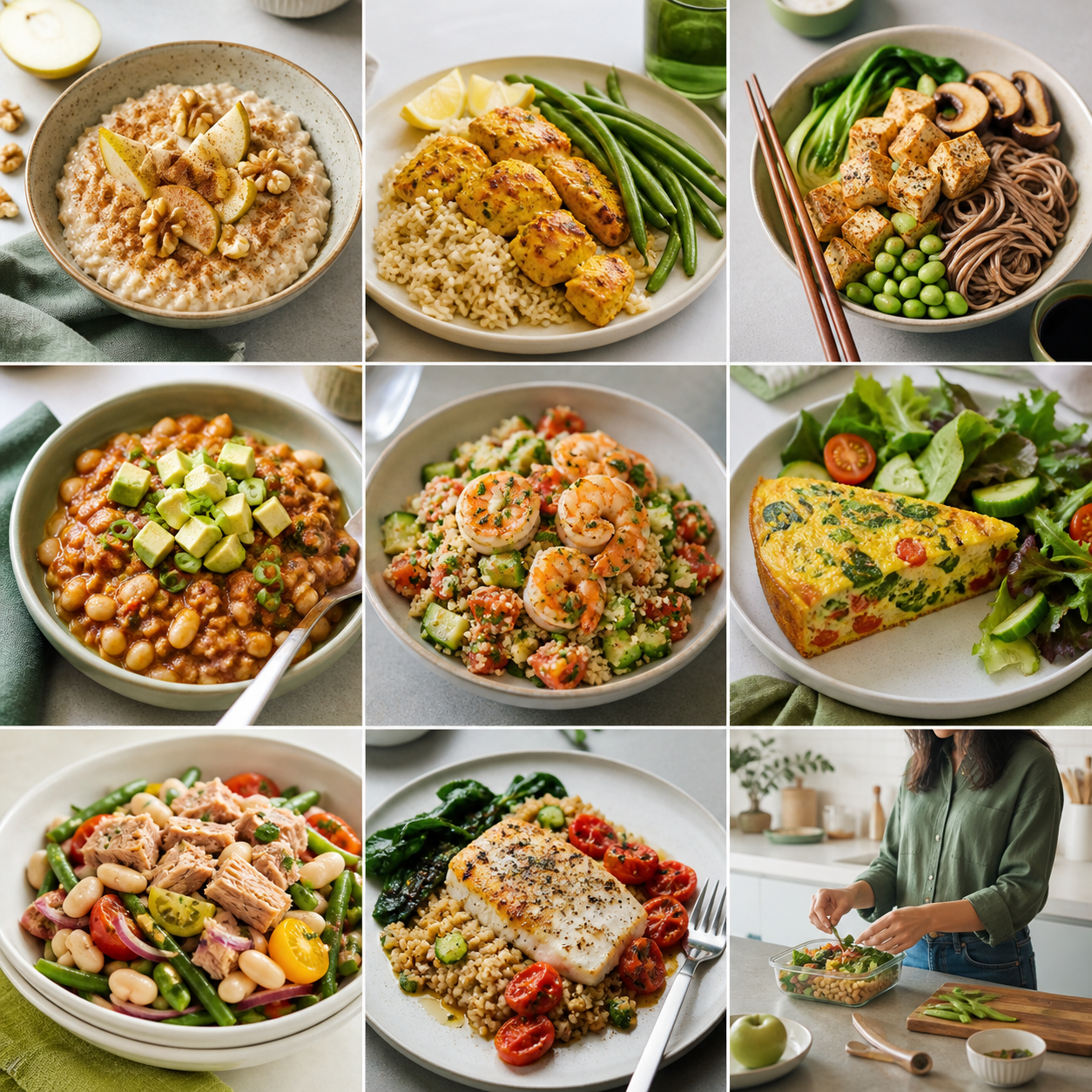
Practical combinations include yogurt with berries and seeds, turkey chili with beans, tuna with white beans, or chicken with roasted vegetables and quinoa. The meals remain protein-forward while offering more texture and staying power.
Protect the heart before there is a problem
Men may delay preventive care, which makes everyday cardiovascular habits more valuable, not less. Compare sodium and saturated fat, rotate in fish and plant proteins, and replace some butter and fatty meat with unsaturated fats from nuts, seeds, avocado and liquid plant oils.
Diet is not a substitute for blood-pressure, cholesterol or diabetes screening. Use those results to personalize the plan with a clinician, especially when family history or medication changes the picture.
Make the workday meal automatic
A busy schedule can turn lunch into coffee followed by an oversized dinner. Keep a reliable lunch available at home or work. A balanced prepared meal, leftovers or a stocked grain-and-protein bowl can each prevent the decision from becoming urgent.
When comparing meal services, look beyond protein grams. Check vegetables, fiber, sodium, saturated fat and whether the portion matches the day. Consistency is the value: the meal must still be there when the meeting ends late.
Our evidence approach
We prioritize whole dietary patterns, practical sustainability and meal-level information. For the public-health foundation of this guide, see Dietary Guidelines for Americans ↗. Medical conditions and restrictive diets warrant individualized guidance.
Five useful questions
Frequently asked questions
What is a healthy diet for men?+
A varied pattern with vegetables, fruit, whole grains or other fiber-rich foods, adequate protein and unsaturated fats is a strong base. Portions should match age, body size, activity and goals.
How much protein do men need?+
Needs vary with body size, age, activity and training. The Recommended Dietary Allowance for most healthy adults is 0.8 grams per kilogram of body weight, though some active or older adults may benefit from more with professional guidance.
Can men eat red meat in a healthy diet?+
Yes, in appropriate portions and frequency. Choose leaner cuts, keep vegetables and fiber visible, and rotate red meat with fish, poultry, beans, lentils, tofu and other proteins.
Are prepared meals healthy for men?+
They can be. Avoid judging solely by portion size or protein grams. Compare vegetables, fiber, sodium, saturated fat, carbohydrates and total energy on each meal.
Where can busy professionals buy balanced lunches?+
Prepared meal delivery services and grocery stores offer ready-to-heat lunches. Compare current menus, delivered cost and meal-level nutrition before ordering.