Use meal timing, portions, protein, fiber and practical planning to support weight loss without making every bite a calculation. This guide offers general education, not individualized medical care. The right pattern depends on health history, medication, access, culture and what you can sustain.
Reduce decision fatigue, protect satisfaction and review trends over time rather than chasing daily perfection.
Pre-decide the vulnerable meal
Most people have a time when convenience consistently wins. Cover that meal first. Keep a balanced lunch at work, choose tomorrow's dinner before the afternoon ends, or prepare a substantial snack before a long commute.
This is not rigid meal planning. It is removing a repeated decision from the hour when you have the least capacity to make it. A meal you can heat in minutes may offer more practical value than ingredients waiting for a recipe.
Build satisfaction into the deficit
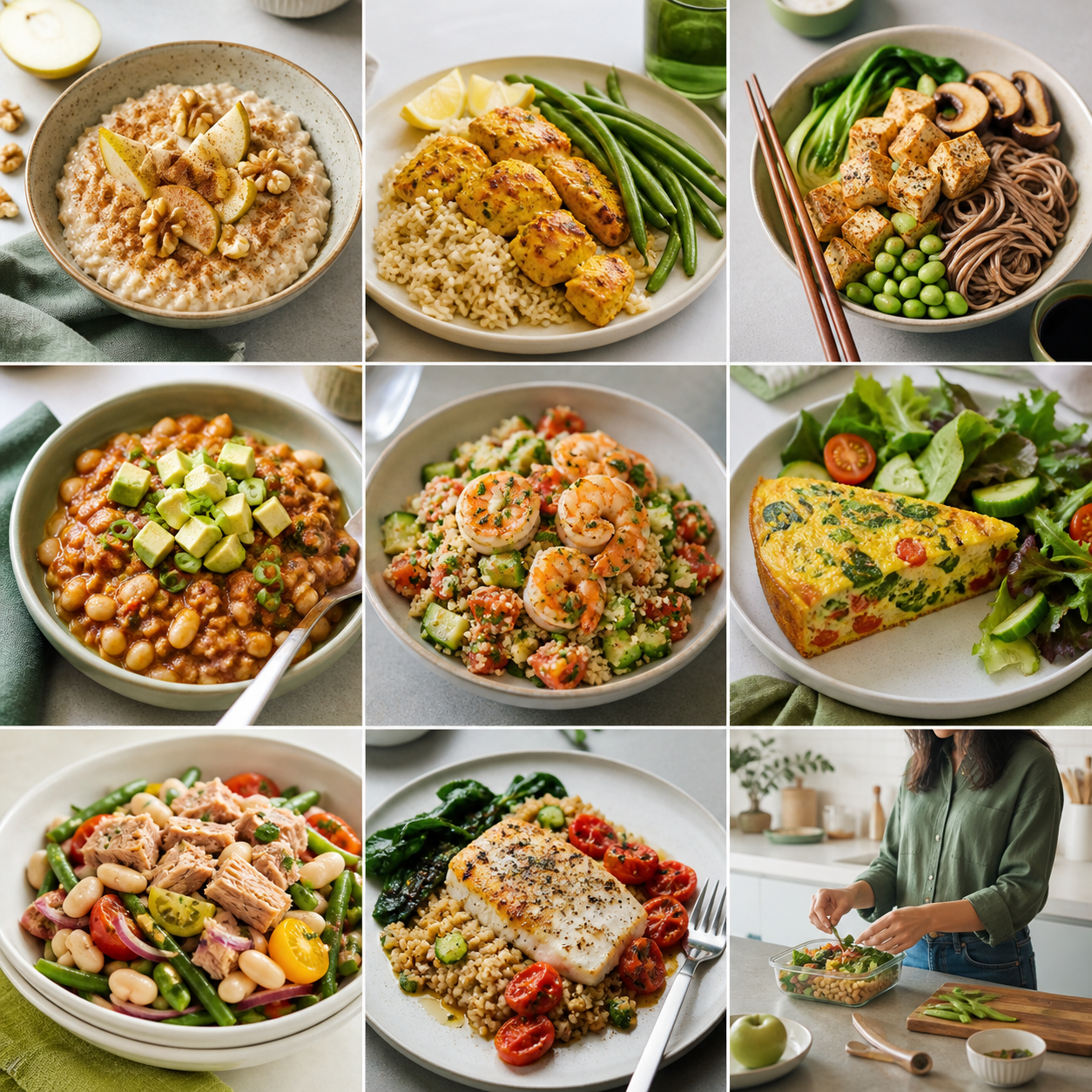
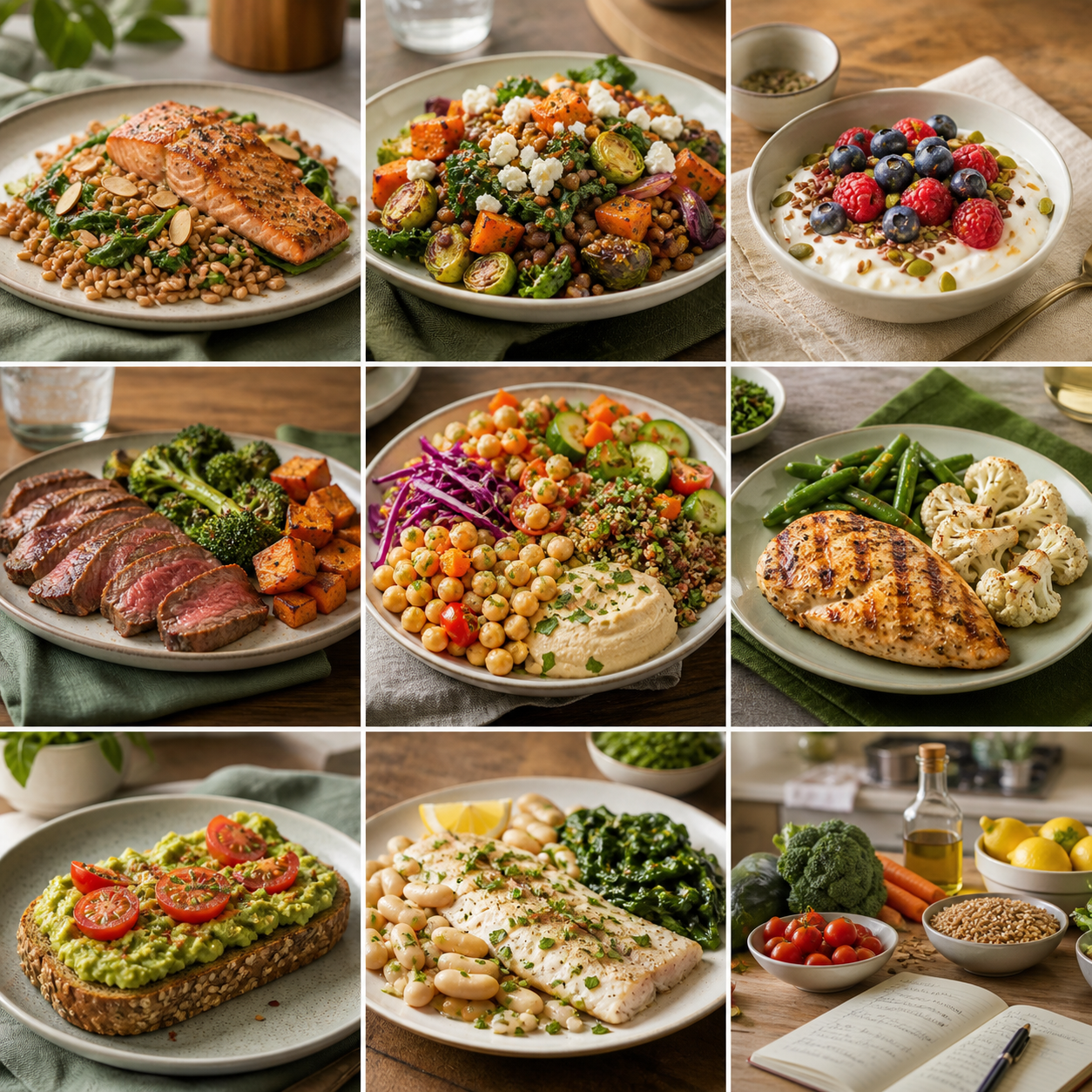
Use protein, fiber, vegetables and enough flavor. A lunch of grilled chicken, chickpeas, cucumber and grains may be more satisfying than a very small salad that leads to grazing all afternoon. The total day matters more than winning a contest for the lightest lunch.
Include foods you enjoy in deliberate amounts. Plans that ban every favorite food often create an all-or-nothing cycle. Flexibility allows a restaurant meal or dessert to exist without requiring a restart.
Make the portion observable
Plate food rather than eating from a large package, and buy single portions when the convenience is worth the price. Prepared meals can help because calories and serving size are visible, but inspect protein, vegetables, fiber and sodium too.
Slow down enough to notice satisfaction. That does not require ceremonial eating. Put the laptop aside for the first few minutes, take a breath between bites and decide whether more food would improve the meal or only extend it.
Use a weekly feedback loop
Review weight trends, hunger, energy, sleep, training and adherence over several weeks. If a plan works only when social life stops, it needs revision. If hunger is relentless, the deficit may be too aggressive or the meals too low in protein, fiber or total energy.
Seek professional care for rapid or unexplained weight change, medication-related concerns or a history of disordered eating. A healthy outcome includes how you relate to food while pursuing it.
Our evidence approach
We prioritize whole dietary patterns, practical sustainability and meal-level information. For the public-health foundation of this guide, see NIDDK ↗. Medical conditions and restrictive diets warrant individualized guidance.
Five useful questions
Frequently asked questions
Which eating habit helps most with weight loss?+
Planning the meal that most often becomes unplanned takeout or grazing can have a large practical effect. The best first habit is the one that reliably reduces excess intake without creating constant hunger.
Should I skip meals to lose weight?+
Meal timing can vary, but skipping a meal is not inherently superior. If it causes intense hunger and overeating later, a regular satisfying meal may work better.
Can meal delivery help with portion control?+
Yes. Single-serving prepared meals make portions and calories visible. Compare the full meal for protein, fiber, vegetables and sodium, and make sure it provides enough satisfaction.
Where can I order portioned healthy meals?+
Prepared meal services sell single-serving options. Check current menus, labels, recurring price and delivery minimums before ordering.
Do healthy habits work without calorie counting?+
They can. Some people create a calorie deficit through portions, meal structure and food choices without tracking. Others benefit from temporary tracking. Choose the least burdensome method that gives useful feedback.